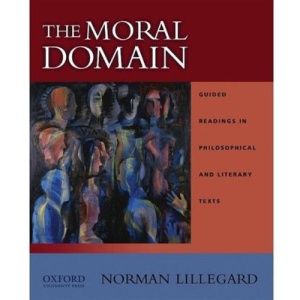
by NormanLillegard (Author)
This engaging, interactive and pedagogical introduction to ethics combines the best features of a textbook and an anthology. The Moral Domain: Guided Readings in Philosophical and Literary Texts contains numerous readings from key philosophical writings in ethics along with captivating literary selections that bring the ethical issues to life. Offering extensive excerpts from major figures in the history of Western ethics--Aquinas, Aristotle, Hobbes, Hume, Kant, Mill and Plato--the book also integrates work from non-Western perspectives, including selections from the Bhagavad Gita, Confucian views and Hsun-Tzu. It also represents women's voices with readings by Julia Annas, Sarah Broadie, Carol Gilligan, Martha Nussbaum and others. Literary selections--including work from the Bible, Camus, Dostoevsky, Golding, Sophocles, Tolstoy, Twain and Wharton--enable students to grasp deep ethical concepts at an intuitive level. The Moral Domain features a unique built-in study guide that helps students to better comprehend and interact with the material. It introduces each selection with orienting questions and then intersperses explanations, commentary and study questions (designed to test comprehension and provoke reflection) throughout the readings. Each chapter includes a Further Discussion and Applications section that demonstrates how ethical theory affects such contemporary moral debates and problems as abortion, euthanasia, feminism, hunger, warfare and more. An exemplary text for introduction to ethics and moral philosophy courses, The Moral Domain provides a comprehensive and accessible introduction to all facets of ethics; its foundations, history, debates and current real-life controversies.
Format: Paperback
Pages: 336
Publisher: OUP USA
Published: 17 Sep 2009
ISBN 10: 0195148088
ISBN 13: 9780195148084
The selection of interspersed works of literature gives students the opportunity to see the issues in terms of compelling stories that both capture their interest and provoke them to think. The literature makes the ideas 'real' for them. I think the questions interspersed with the text are particularly well done, getting at important points, being provocative of thought, and aimed adeptly at the students' interests. --Glen A. Mazis, Penn State Harrisburg


 FREE UK DELIVERY
  Global shipping from £2.99
 FREE UK DELIVERY
 30 Day Refund Guarantee